Planning a Dependable HVAC Pathway for Iowa Homes and Small Workplaces
Homeowners and facility stewards in four-season regions should assess comfort needs through an annual lens before engaging an HVAC contractor. Winter loads, summer humidity, shoulder-season ventilation, and hot water demand all influence the design brief. Defining occupants’ schedules, zoning preferences, and noise tolerance up front helps narrow technology choices. Documenting existing equipment age, recent service notes, and utility bills offers a baseline for right-sizing rather than guesswork.
Meanwhile, scoping the project’s boundaries avoids surprises later. Decide whether the work addresses a single appliance, a distribution system, or a full mechanical refresh. For example, AC Installation and Repair may be coupled with duct upgrades, while hydronic retrofits could include pump and control revisions. Clarify attic, crawlspace, and mechanical-room access, and confirm electrical capacity. These fundamentals affect timelines, staging, and how disruptive the work will be.
Beyond that, material selection should align with both structure type and long-term serviceability. Forced air, ductless, and hydronic each have distinct strengths. Boilers and Water Heater Installation and repair intersect with domestic hot water needs as well as space heating, so piping layouts, venting routes, and water quality treatment matter. Choosing standard, locally supported components often simplifies maintenance and reduces downtime when parts are needed years later.
In practice, a phased workflow keeps daily life manageable. Contractors often sequence demolition, rough-in, pressure tests, and startup in discrete steps, buffering messy tasks away from living areas. If Radiant Flooring is planned, surface prep, insulation, and manifold location should be locked before finishes go down. For ducted systems, sealing and balancing should occur ahead of final grilles to verify performance and cleanliness.
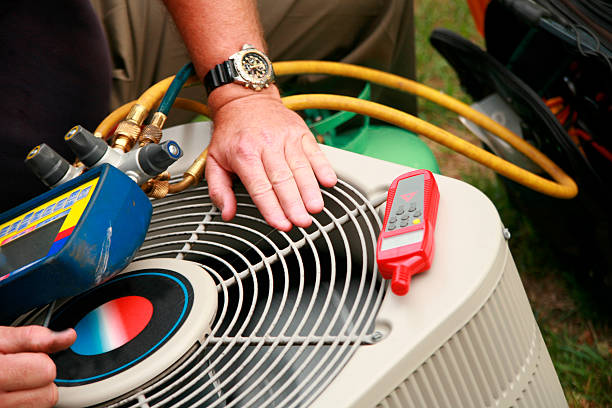
However, quality hinges on precise measurements and calibration. Heat-loss and heat-gain calculations validate equipment capacity, while static pressure and combustion tests refine performance. Smart controls need sensor placement that avoids drafts or radiant interference. After install, documenting model numbers, filter sizes, pump curves, and setpoints gives owners and future technicians a reliable reference to maintain consistency season after season.
Often, budgeting benefits from a lifecycle lens rather than a first-cost snapshot. Upfront efficiency, variable-speed components, and zoning can trim utility swings and reduce wear. The bid should itemize equipment, accessories, controls, and disposal so comparisons are apples-to-apples. Ask about warranties, service intervals, and expected consumables. A modest contingency helps absorb hidden issues like deteriorated flues or marginal wiring that emerge during teardown.
Then, consider compliance and inspections early to avoid rework. Mechanical, electrical, gas, and venting requirements vary by jurisdiction, and permits may trigger site visits. Clearances to combustibles, condensate routing, and makeup air should be verified against current codes, not just legacy practice. Photos taken before and during the job create a paper trail that supports final sign-off and helps diagnose future anomalies without opening walls.
Meanwhile, seasonal timing affects both comfort and availability. Off-peak windows can reduce lead times and allow a more deliberate pace, especially for Heating Installation and Repair just ahead of cold snaps. If a system is limping into summer, planning HVAC upgrades before the first heat wave can prevent emergency calls. Temporary heat or cooling arrangements may be worthwhile during critical phases of demolition or curing.
Finally, long-term maintenance should be baked into the handoff. Set a cadence for filter changes, flushes, and annual safety checks. Hydronic owners should verify water chemistry, expansion tank charge, and air elimination to preserve quiet operation. For Geothermal HVAC or complex zoning, brief training on dashboards and alarms prevents nuisance calls. A concise, labeled binder or digital folder keeps serials, wiring diagrams, and service logs in one dependable place.
Altogether, the best contractor fit blends technical depth with clear communication and tidy site habits. Projects that validate sizing, sequence work thoughtfully, and verify results tend to deliver steady comfort without drama. Whether the scope is HVAC replacements, targeted AC repairs, or a boiler-centric modernization, a measured plan—supported by documentation and follow-through—helps your system start strong and stay reliable across the full Midwestern climate curve.